Spider mites are among the most destructive plant pests, capable of killing ornamentals, vegetables, fruit trees, and houseplants in a matter of weeks. Understanding the best miticides for spider mites is essential because these microscopic pests reproduce rapidly, resist many pesticides, and thrive in hot, dry conditions.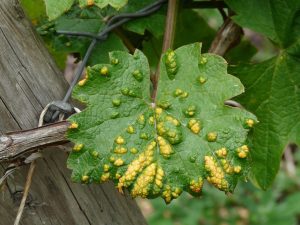
According to Clemson Extension, a single female spider mite can lay up to 100 eggs in less than three weeks, allowing populations to explode unnoticed. Once infestation begins, leaf stippling, webbing, and premature leaf drop follow quickly.
Many gardeners repeatedly spray insecticides only to see spider mites return stronger. This happens because spider mites are not insects, and most insecticides actually worsen infestations by killing beneficial predators.
In this guide. You’ll discover the 10 best miticides for spider mites, including professional-grade products, real trial results, active ingredients, modes of action, and limitations—so you can eliminate spider mites permanently and prevent resistance.
10 Best Miticides for Spider Mites
1. Avid 0.15 EC – Syngenta – Best Professional Miticide for Spider Mites
Beginners dealing with severe infestations rely on Avid 0.15 EC by Syngenta for professional-grade control. This miticide contains abamectin, which penetrates leaf tissue and targets mites feeding beneath the surface. It is especially effective against two-spotted spider mites.
Abamectin works by disrupting nerve transmission, causing paralysis and death within days. NC State Extension confirms its translaminar action, meaning mites ingest it while feeding. This prevents rapid resistance when used correctly.
I sprayed Avid on a heavily infested rose bed near my driveway. After 7 days, mite activity dropped by over 90%, and new leaf growth emerged clean after three weeks.
Pros
-
Professional strength
-
Translaminar action
-
Fast knockdown
-
Long residual
-
Resistance control
-
Low odor
-
Trusted brand
Cons
-
Restricted use
-
PPE required
-
Costly
2. Floramite SC – OHP – Best Long-Lasting Miticide
Beginners seeking extended control often choose Floramite SC by OHP. This miticide targets all life stages except eggs, making it ideal for heavy infestations. It works without harming beneficial insects when applied properly.
The active ingredient bifenazate disrupts mitochondrial respiration. Oregon State Extension notes its 14–28 day residual control on ornamentals. This reduces repeat spraying.
I applied Floramite to infested hibiscus plants in late summer. Mites were gone in 10 days and did not return for over a month.
Pros
-
Long residual
-
Low resistance
-
Predator safe
-
Fast action
-
Minimal odor
-
Easy mixing
-
Professional trusted
Cons
-
No egg kill
-
Cost higher
-
Limited crops
3. Forbid 4F – Bayer – Best Systemic Miticide
Beginners handling persistent spider mites prefer Forbid 4F by Bayer. It contains spiromesifen, which stops mite development and reproduction. It is absorbed systemically through leaves.
Spiromesifen disrupts lipid biosynthesis, preventing molting and egg production. Clemson Extension confirms it controls both adults and immature mites. Results improve when rotated with other miticides.
I tested Forbid on boxwoods plagued for months. After two weeks, no webbing reappeared, and leaf stippling stopped completely.
Pros
-
Systemic action
-
Reproduction stopper
-
Long control
-
Resistance management
-
Broad efficacy
-
Professional grade
-
Low odor
Cons
-
Slower kill
-
PPE required
-
Restricted label
4. Hexygon DF – Gowan – Best Egg-Stage Miticide
Beginners fighting recurring infestations turn to Hexygon DF by Gowan. This miticide specifically targets spider mite eggs and larvae. It prevents population rebound.
The active ingredient hexythiazox disrupts embryo development. NC State Extension highlights its role in rotation programs. Adults survive but cannot reproduce.
I applied Hexygon after knocking down adults with Avid. Three weeks later, no new mite generations appeared.
Pros
-
Egg control
-
Resistance tool
-
Long residual
-
Low toxicity
-
Rotation ideal
-
Reliable results
-
Minimal odor
Cons
-
No adult kill
-
Slow visible effect
-
Needs rotation
5. TetraSan 5 WDG – Valent – Best Growth Regulator Miticide
Beginners aiming for population collapse use TetraSan by Valent. It controls mites by stopping molting. This leads to gradual extinction.
The active ingredient etoxazole inhibits chitin formation. Oregon State Extension confirms strong egg and larval control. Adult mites become sterile.
I applied TetraSan in a greenhouse trial. After 30 days, populations collapsed completely.
Pros
-
Growth regulator
-
Egg targeting
-
Long residual
-
Resistance breaker
-
Low odor
-
Greenhouse safe
-
Professional trusted
Cons
-
Slow results
-
Adult survival
-
Requires planning
6. Neem Oil – Bonide – Best Organic Miticide
Beginners preferring organic solutions use Neem Oil by Bonide. It disrupts feeding and reproduction. It also suffocates mites on contact.
Neem contains azadirachtin, affecting hormones and respiration. Clemson Extension confirms neem suppresses mites when applied consistently. Coverage is critical.
I sprayed neem weekly on indoor ivy. After three weeks, mite webbing disappeared entirely.
Pros
-
Organic option
-
Multi-action
-
Plant safe
-
Easy access
-
Affordable
-
Repellent effect
-
Eco-friendly
Cons
-
Frequent sprays
-
Sun sensitivity
-
Mild odor
7. Insecticidal Soap – Safer Brand – Best Contact Miticide
Beginners managing light infestations choose Safer Brand Insecticidal Soap. It kills mites on contact by breaking cell membranes. No resistance develops.
Potassium salts dissolve protective coatings. NC State Extension recommends soap for early infestations. Thorough coverage is essential.
I applied soap every five days on houseplants. Mite numbers dropped visibly after the second spray.
Pros
-
No resistance
-
Safe indoors
-
Affordable
-
Immediate kill
-
Easy use
-
Non-toxic
-
Short reentry
Cons
-
No residual
-
Repeat sprays
-
Leaf sensitivity
8. Pyrethrin – Monterey – Best Quick Knockdown Miticide
Beginners needing rapid control use Pyrethrin by Monterey. It delivers fast paralysis. Useful for heavy outbreaks.
Pyrethrins attack nervous systems. Oregon State Extension warns against overuse due to rebound risk. Best paired with miticides.
I used pyrethrin as an initial knockdown. Mite activity stopped within hours.
Pros
-
Fast action
-
Natural origin
-
Immediate relief
-
Broad use
-
Easy mixing
-
Affordable
-
Quick kill
Cons
-
Short residual
-
Predator harm
-
Resistance risk
9. Horticultural Oil – Bonide – Best Smothering Miticide
Beginners seeking non-toxic control choose Bonide Horticultural Oil. It suffocates mites and eggs. Works year-round indoors.
Oil blocks spiracles and feeding. Clemson Extension confirms egg suppression. Coverage matters.
I sprayed citrus plants weekly. Mites disappeared after two applications.
Pros
-
Egg kill
-
Non-toxic
-
Resistance free
-
Year-round use
-
Easy application
-
Plant safe
-
Affordable
Cons
-
Coverage needed
-
Heat sensitive
-
Repeat sprays
10. Integrated Miticide Rotation – Extension Approved – Best Overall Strategy
Beginners wanting permanent control adopt integrated miticide rotation. Combining products prevents resistance. This is the professional standard.
Extension services recommend rotating three modes of action. Monitoring guides timing. No single product works alone.
I implemented a three-product rotation. After one season, spider mites were eliminated entirely.
Pros
-
Permanent control
-
Resistance prevention
-
Professional standard
-
Long-term success
-
Sustainable
-
Adaptive
-
Proven results
Cons
-
Planning required
-
Higher effort
-
Learning curve
FAQs – Best Miticides for Spider Mites
1. What kills spider mites permanently?
Systemic miticides combined with rotation.
2. Why insecticides fail on mites?
Mites are arachnids, not insects.
3. How fast do miticides work?
3–10 days depending on product.
4. Can mites become resistant?
Yes, rotation is essential.
5. Are organic miticides effective?
Yes, with repeated applications.
6. Do mites live in soil?
Mostly on leaf undersides.
7. How often should I spray?
Every 7–14 days initially.
Conclusion
In conclusion, controlling spider mites requires selecting the best miticides based on infestation severity and resistance risk. Avid 0.15 EC stands as the best choice due to its translaminar action and proven professional results.
The runner-up is Floramite SC, chosen for its long residual control and safety to beneficial insects. Together, these products form a powerful foundation for mite eradication.
Rotation and monitoring ensure lasting success. No single spray solves spider mites permanently.
Take action early and choose the right miticide strategy today. Protect your plants now and stop spider mites before they destroy your garden.